Bookkeeping Services Ireland
Accurate financial records help Irish businesses understand their income, expenses, cash position and outstanding obligations while keeping essential financial information ready for VAT reporting and year-end accounts. Our bookkeeping services Ireland help start-ups, SMEs, sole traders and established companies maintain organised records through regular transaction recording, invoice processing, expense management, bank reconciliations and month-end bookkeeping. Finsoul Ireland provides dependable support for businesses that need professional bookkeeping without adding to their internal administrative workload.
Our service can cover ongoing monthly bookkeeping, existing record management and backlog work where financial records have fallen behind, using your existing accounting software and agreed processes. We work alongside business owners, internal finance teams and accountants to keep records accurate, current and properly organised for financial review and reporting. Book a consultation to discuss your requirements, or speak to an expert to find the right level of bookkeeping support for your business.
Professional Bookkeeping Services Ireland for Irish Businesses
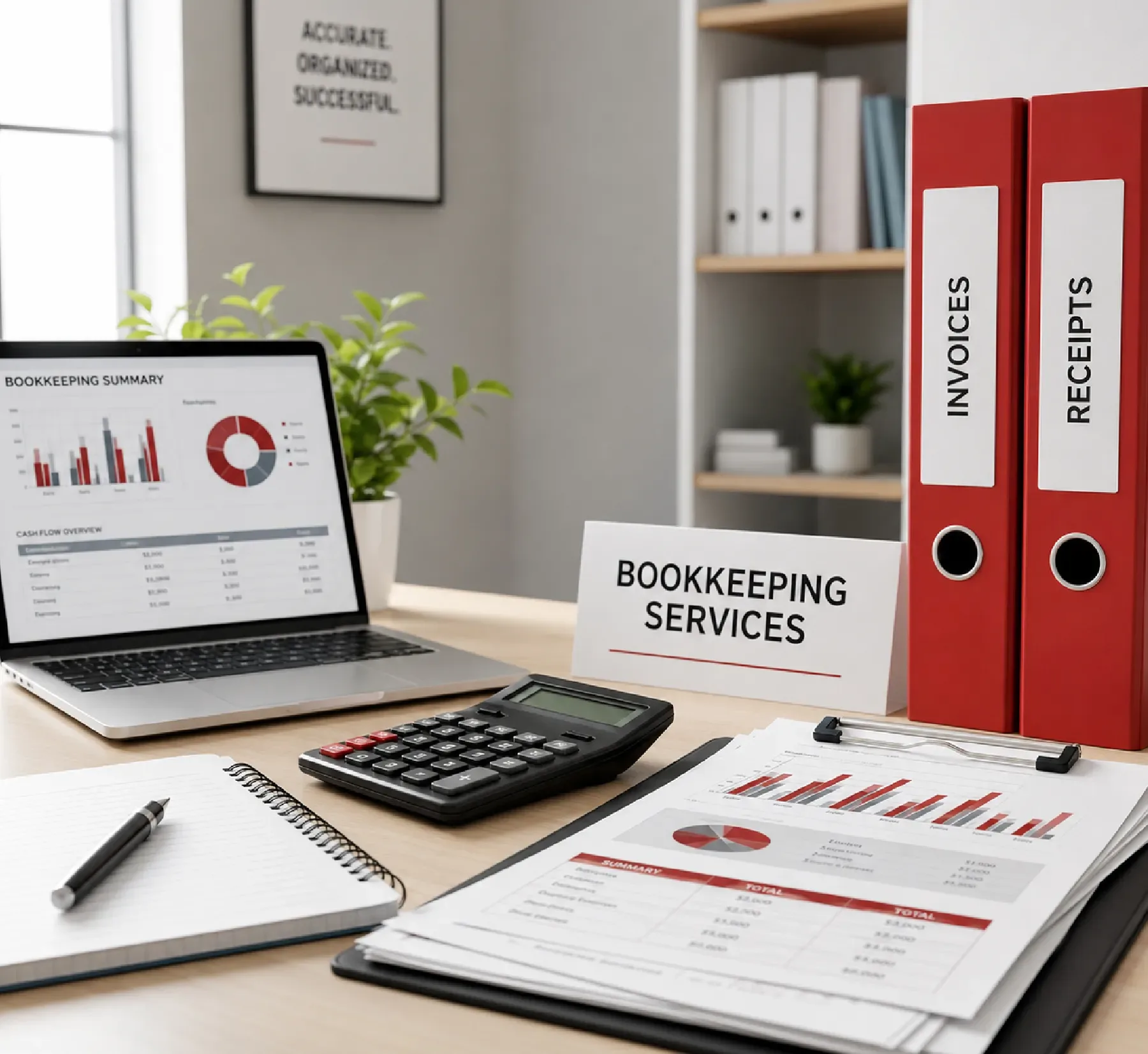
Professional bookkeeping services ireland keep the underlying financial records in order so management and accountants can work from consistent information. Day-to-day entries are recorded using the appropriate accounts, bank and payment accounts are checked against statements, and supporting documents are kept with the relevant transactions. This creates a dependable record of business activity rather than leaving financial administration until year-end.
Our bookkeeping services can also support VAT-ready records and management reporting. Finsoul Ireland provides regular processing that helps identify missing information sooner, while reconciliations provide a useful control over recorded transactions. Reports can support reviews of income, expenditure, outstanding balances and other measures used to assess business performance.
Who Needs Bookkeeping Services in Ireland?
The right level of bookkeeping services Ireland depends on transaction volume, business structure and the amount of internal finance support available. We support a broad range of Irish organisations, including:
Start-ups: Set up consistent financial records from the beginning and establish a routine for invoices, expenses and bank activity.
SMEs: Keep monthly records under control when owners or staff cannot dedicate enough time to finance administration.
Growing businesses: Increase bookkeeping capacity as transaction volumes, suppliers, customers and staff numbers rise.
Established companies: Maintain regular financial processing and support internal finance teams with additional capacity.
Sole traders: Keep income, purchases and expenses organised for ongoing financial administration.
Professional firms: Process client billing, supplier costs and operating expenses in an orderly manner.
Construction: Handle frequent supplier, subcontractor, project and expense transactions with clear supporting records.
Retail: Record sales, purchases, payment receipts and operating costs across regular trading activity.
Hospitality: Manage high transaction volumes, supplier invoices, payroll-related records and daily operating expenses.
Technology: Support businesses with recurring subscriptions, project costs, online payments and other digital transactions.
Property businesses: Maintain records for rental income, property costs, repairs, service charges and related transactions.
E-commerce businesses: Maintain accurate records for online sales, payment gateway transactions, refunds, marketplace fees and related operating expenses
What Do Our Bookkeeping Services Include?
The scope of bookkeeping services Ireland can be agreed around your existing finance function and monthly workload. Core tasks may include:

Daily transaction recording
We record sales, purchases, receipts, payments and other routine transactions using the agreed accounting structure.
Bank reconciliation
Bank and payment account balances are compared with the accounting records. Differences are investigated and corrected so outstanding items do not remain hidden in the ledger.
Accounts payable
Supplier invoices and payments are recorded accurately, helping the business keep track of amounts due and maintain a clear purchase history.
Expense recording
Business expenses are entered against appropriate categories with supporting receipts or invoices retained for reference and tax records.
VAT bookkeeping
Sales and purchase records are organised with VAT information recorded appropriately. This provides cleaner records for VAT review and filing.
Payroll bookkeeping
Payroll figures and related payments can be recorded within the bookkeeping system, keeping wage costs and associated entries aligned with the wider accounts.
Month-end bookkeeping
Monthly records are brought up to date, key balances are reviewed and outstanding queries are identified before information is used for reporting or year-end work.
Benefits of Professional Bookkeeping?
Good financial records give management a reliable base for financial control. The main benefits include the following:
Accurate financial records: Reduce discrepancies between source documents, ledgers and bank activity.
Better cash flow visibility: See money received, payments made and outstanding balances more clearly.
Improved financial control: Regular checks make unusual or incomplete transactions easier to identify.
Fewer errors: Consistent processing reduces avoidable data-entry and classification mistakes.
Timely financial information: Current records provide more useful figures for monthly review.
Easier VAT reporting: Properly organised sales and purchase records simplify VAT preparation.
Better business decisions: Owners can base spending, pricing and resource decisions on current figures.
Reduced administrative workload: Routine finance tasks are handled consistently instead of accumulating internally.
Easier year-end preparation: Accountants receive more complete records and supporting documentation.
Common Bookkeeping Problems Businesses Face
Our bookkeeping services address common problems at their source and help prevent routine financial work from building up.
Incomplete financial records
Missing entries or supporting documents can make accounts unreliable. We identify gaps during processing and raise queries for the information needed to complete the records.
Unreconciled bank accounts
Unmatched transactions can hide errors or duplicate entries. Regular reconciliation helps establish why balances differ and clears valid outstanding items.
Missing invoices
Missing sales or purchase invoices make it harder to verify transactions. We flag gaps and help maintain an orderly document trail.
Incorrect transaction coding
Transactions posted to unsuitable categories can distort management figures. We apply the agreed chart of accounts consistently and identify items requiring review.
Delayed bookkeeping
When records are processed late, financial information loses value. A scheduled service keeps agreed bookkeeping work moving at regular intervals.
Poor expense tracking
Unstructured receipts and expense records can lead to missing costs or weak supporting evidence. We record expenses systematically and retain the relevant documentation.
VAT record issues
Incorrect or incomplete VAT information can complicate return preparation. We organise VAT-related entries and highlight items that require clarification before filing.
Limited internal resources
Owners and small finance teams may have limited time to manage routine bookkeeping alongside their day-to-day responsibilities. Our bookkeeping services provide the additional support businesses need to keep financial records accurate and up to date.
Our Approach to Bookkeeping Services
We use a defined process for bookkeeping services Ireland so responsibilities, records and review points are clear from the start.
Initial consultation
We discuss your business structure, transaction volumes, current bookkeeping arrangements, reporting needs and any immediate issues.
Review of existing records
Existing ledgers, bank records and supporting documents are checked to understand the current position and identify outstanding work.
Accounting system review
We review the accounting software, chart of accounts and existing workflows to confirm how routine entries and reports should be handled.
Transaction processing
Agreed transactions are recorded using consistent categories and the supporting information available.
Bank reconciliation
Bank and payment accounts are checked against recorded transactions, with differences investigated as part of the monthly routine.
Monthly review
Completed records are reviewed for missing information, unusual balances and unresolved queries within the agreed scope.
Reporting support
Where included, we prepare or provide information for management reporting, helping business owners and advisers review current financial performance.
Ongoing bookkeeping
The agreed schedule continues each month, with clear communication around documents, queries and work that falls outside the original scope.
Bookkeeping Services Cost and Timeline
Pricing depends on transaction volume, number of accounts, VAT requirements, payroll activity, software and the condition of existing records. Irish providers commonly use monthly packages, while catch-up work is often priced separately. For example, one Irish provider currently advertises fixed monthly packages from €150 including VAT for lower-volume clients.
| Service requirement | Indicative timeline | Typical pricing approach |
|---|---|---|
Basic monthly records |
3–5 working days |
Monthly fixed fee |
Regular SME bookkeeping |
5–7 working days |
Monthly fixed fee |
Higher-volume bookkeeping |
5–10 working days |
Scope-based monthly fee |
Backlog or catch-up work |
Agreed after review |
One-off project fee |
Disclaimer: These figures are indicative only. Actual fees and completion times depend on transaction volume, record quality, accounting software and the agreed scope. A review of your records is required before a firm quotation can be provided.
Financial Records and Documents Required for Bookkeeping
To process records efficiently, we normally require access to the relevant financial information. Revenue states that businesses must keep records used to calculate taxes and retain original documents for six years.
- Bank and payment account statements
- Sales invoices and credit notes
- Purchase invoices and supplier bills
- Receipts and expense records
- Payroll summaries and relevant payroll reports
- VAT records and previous VAT information
- Petty cash records, where applicable
- Loan, finance and asset information
- Existing bookkeeping files and ledgers
- Accounting software access or exports
How Do Our Bookkeeping Services Support Tax and VAT Compliance?
Bookkeeping does not replace tax advice or the responsibility of the business to meet its statutory obligations. It provides the financial records needed to support accurate preparation and review.
- Keep sales and purchase transactions recorded consistently.
- Maintain supporting invoices, receipts and other source documents.
- Separate VAT information within the accounting records where applicable.
- Reconcile bank activity so reported figures agree with available evidence.
- Flag missing or unclear transactions before reporting deadlines.
- Keep records organised for review by your accountant or tax adviser.
- Support VAT return preparation with clearer underlying records.
Revenue guidance requires sales to be recorded and supported by documents such as invoices, receipts and bank statements, with VAT treatment recorded appropriately.
Can We Take Over Existing or Backlog Bookkeeping?
Yes. We can review existing records before taking over ongoing work. The first step is to establish what has been completed, which periods remain outstanding, and if bank, VAT and supporting records are available. For backlog work, we can identify missing information, agree the priority periods and set out the work required to bring the records up to date. Once the backlog is addressed, regular monthly processing can be introduced to reduce the risk of further delays.
Industries We Support
Our bookkeeping support is suitable for businesses with different transaction volumes, accounting processes and financial reporting requirements.
Why Choose Finsoul Ireland for Bookkeeping?
Finsoul Ireland provides practical bookkeeping support with a focus on accuracy, clear records and dependable monthly delivery. Our service can work alongside your internal team, accountant or existing finance arrangements.
Experienced bookkeeping support
We understand the routine controls required to keep business records complete and consistent.
Accurate financial records
Transactions and reconciliations are processed with attention to source documents and agreed accounting treatment.
Reliable monthly service
A defined monthly schedule helps prevent routine finance work from building up.

VAT record support
We organise VAT-related bookkeeping information so it is easier to review before filing.
Flexible service arrangements
Support can cover regular monthly work, online bookkeeping services or specific bookkeeping requirements.
Clear financial information
Organised records make it easier for owners, directors and advisers to review financial activity.
Support for growing businesses
The service can increase transaction volumes through outsourced bookkeeping services as finance needs change.
Confidential handling of financial information
Financial records are handled with appropriate care and restricted access according to the agreed working arrangements.
Note: The above-mentioned services are provided via network firms if not provided directly
Get Started With Bookkeeping Services in Ireland
If your financial records need regular attention, bookkeeping services Ireland can provide regular support, additional capacity or a structured catch-up. Speak with our team about the work involved. Finsoul Ireland can review your current bookkeeping arrangements, explain the support available and agree on practical next steps.
Frequently Asked Questions
What do bookkeeping services include?
They can include transaction recording, bank reconciliation, accounts payable and receivable, expense processing, VAT bookkeeping, payroll entries and month-end work. The exact scope depends on the business and agreed service.
How often should bookkeeping be completed?
Monthly bookkeeping suits many SMEs because it keeps records current without creating a large year-end workload. Businesses with high transaction volumes may need more frequent processing.
Do you provide bookkeeping support for small businesses?
Yes. We support small businesses that need regular financial record keeping but do not require a full-time in-house bookkeeper. The service can cover transaction recording, reconciliations, expense processing and other agreed bookkeeping tasks based on the business’s monthly requirements.
Can you work with our accounting software?
Yes. We can discuss your existing accounting system and online bookkeeping services requirements, then confirm access, file formats and workflow requirements during the initial review.
How much do bookkeeping services cost in Ireland?
Fees vary according to transaction volume, number of accounts, VAT, payroll, software, and record condition. A review of your requirements allows us to provide a clear quotation.
Business Insights & Latest Updates